Why We Should Build Silly Things Just Because We Can.
The Joy of Building Fun Side-Projects and Playful Code in an Era of Hyper-Productivity
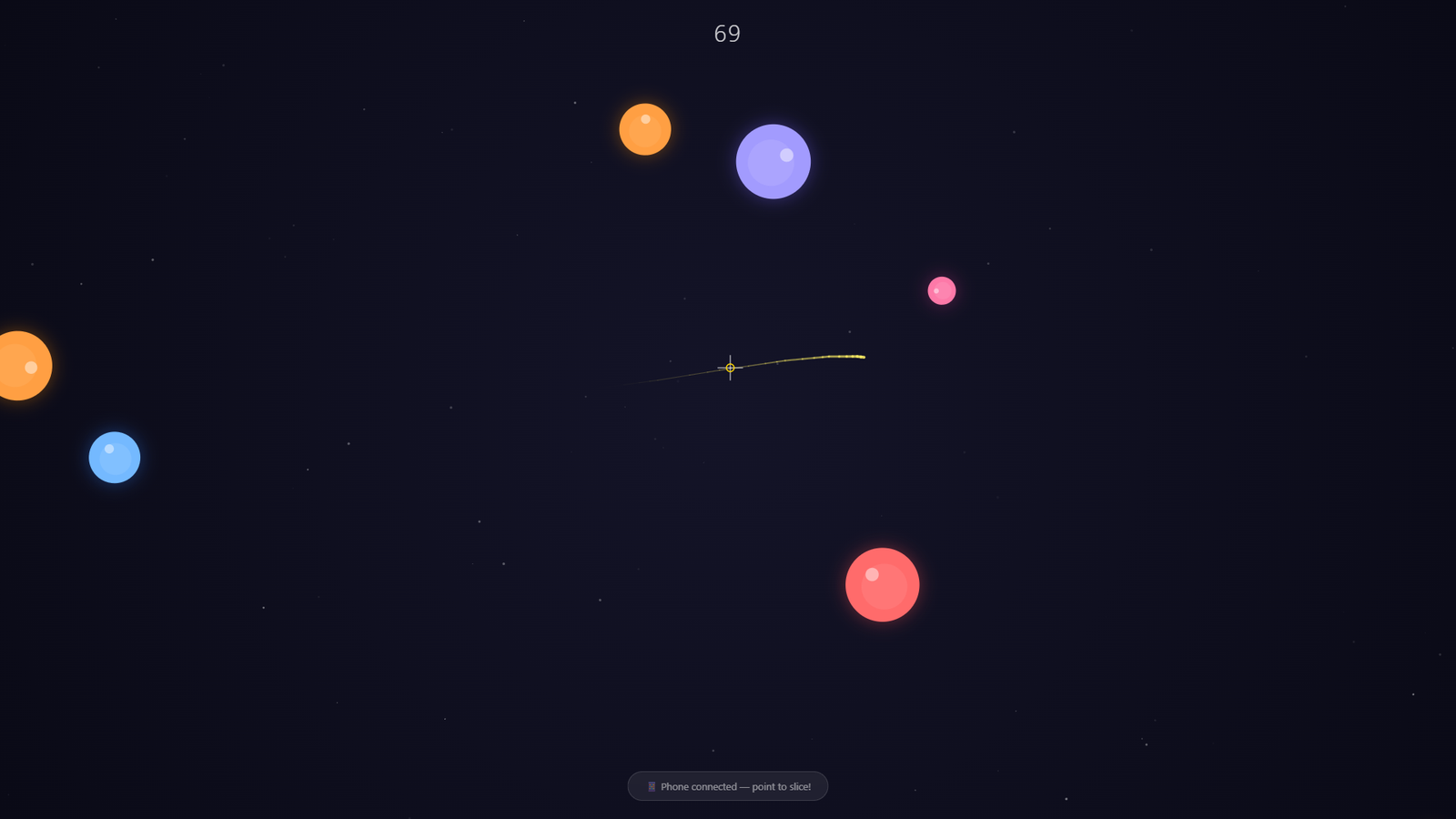
ometime late on a Friday evening, after days spent wrestling with enterprise architectures, client deliverables, and responsive layouts, I found myself opening a blank code editor. No client requirements. No Jira tickets. No monetization roadmap. Just an irresistible, almost childlike urge: "What if I made juicy watermelons fly across the screen, and let people slice them into pieces with a glowing blade?"
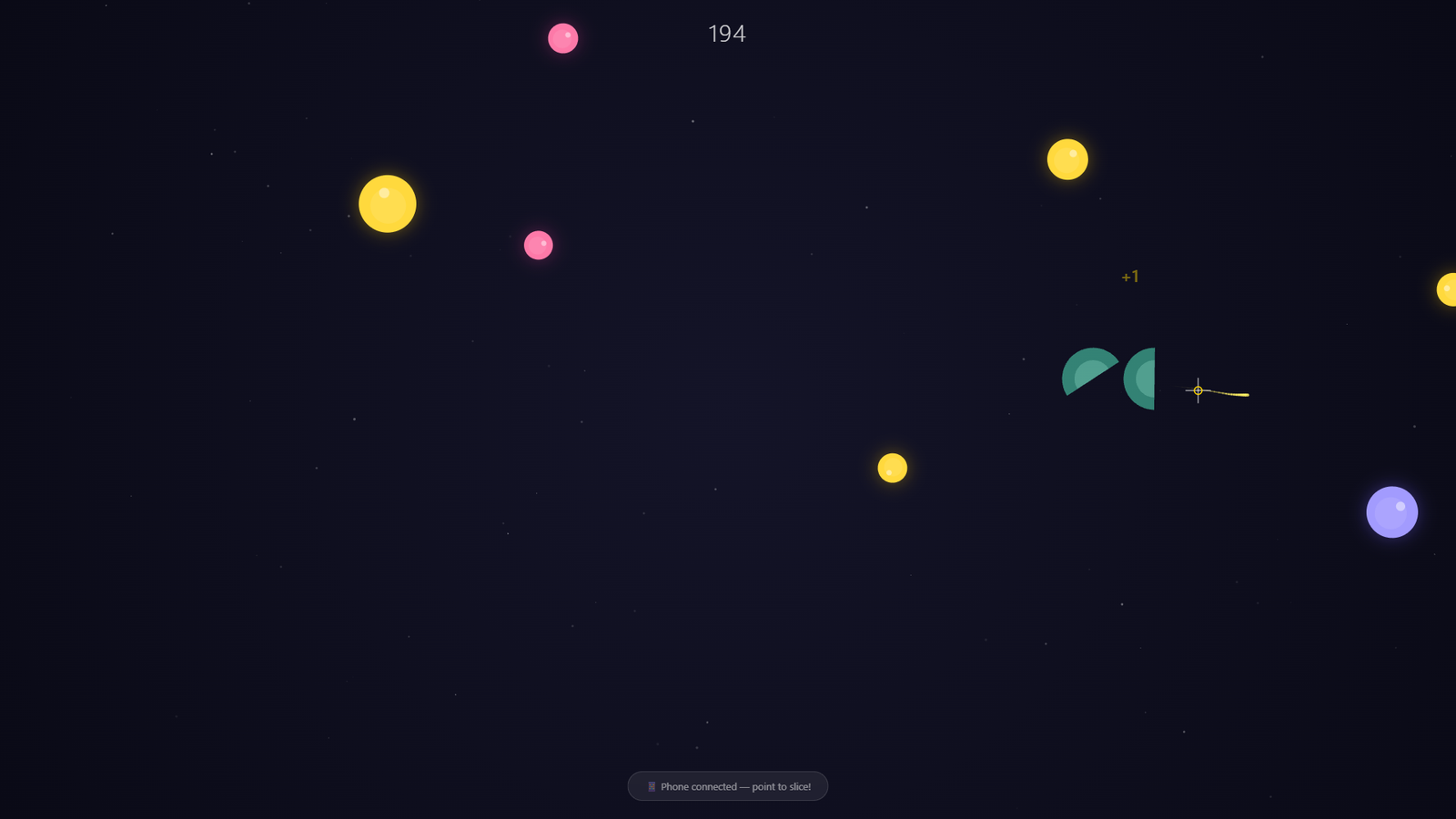
That whimsical late-night impulse turned into FruitSlice — a browser mini-game hosted live at https://fruitslice.tejasvaij.com. It wasn't built to disrupt an industry or raise a seed round. It was built for the simplest, most human reason in software engineering: because it made me smile.
Today, the tech landscape looks drastically different than when many of us first discovered the magic of console.log("Hello World"). Open Twitter or LinkedIn, and every second post is about building the next $100M ARR micro-SaaS, optimizing your prompt pipelines, or extracting ruthless 10x output from your daily hours. But somewhere along this highway of relentless optimization, we’ve quietly lost something irreplaceable: the unapologetic joy of building utterly silly things just because we can.
"The 'Everything Must Be a Startup' Trap"
Have you noticed the unspoken pressure whenever a developer mentions they are tinkering with a new side project? The immediate reflex from peers is often: "Oh cool, what’s your business model? Are you charging a subscription? Have you validated product-market fit? How are you leveraging AI agents to automate onboarding?"
We have turned side-project development into an unpaid second shift. If an idea can't be monetized with Stripe webhooks within 48 hours, society implies it’s a waste of compute. We treat our hobbies like pre-seed venture candidates and our creative impulses like KPI spreadsheets.
The tragic side effect is creative paralysis. Developers stop experimenting because the pressure to build something "useful," "scalable," and "profitable" suffocates the playful instinct to tinker. When everything has to be serious, nothing feels fun anymore.
"Why Slicing Digital Watermelons Matters"
When I was crafting FruitSlice, nobody was waiting on a release date. If the fruit physics felt floaty, I didn't have to explain the velocity vectors in an executive standup. If I wanted the blade particle sparks to glow neon cyan, I just tweaked the canvas alpha value and grinned.
It was pure, unadulterated flow state. The same spirit lives inside my Python mini-experiments and quick interactive web tools. When you strip away commercial stakes, failure loses its sting. If a game crashes? Refresh and laugh. If the fruit splatters backwards? Call it a feature and spend an hour figuring out why the trigonometric angles inverted.
You can experience the game right in your browser here: https://fruitslice.tejasvaij.com
"The Secret Superpower of 'Useless' Projects"
Here is the beautiful paradox that nobody tells junior developers: the silly, unmonetized projects you build for fun frequently teach you more engineering depth than the serious ones.
Think about what goes into a simple interactive game:
1. Physics & Math: You will understand trigonometry, collision detection, and vector velocity faster while building a bouncing fruit game than reading ten textbook chapters.
2. Performance Tuning: Squeezing 60 FPS out of a browser canvas with dozens of animated particle effects teaches you memory leaks, repaint cycles, and requestAnimationFrame mechanics at a visceral level.
3. UX & Polish: Slicing feel isn't just code—it’s audio cues, haptic feedback, particle spread, and screen shake. Learning how to make software feel delightful is what distinguishes an average coder from a master craftsman.
Every single technical trick I picked up while polishing FruitSlice wound up secretly upgrading how I build high-performance client dashboards, web apps, and interactive marketing experiences. You think you're just playing—until you realize your engineering intuition leveled up by orders of magnitude.
"Bring Back the Weird Web"
Do you remember the web of the early 2000s? The internet of Flash games on Miniclip, quirky personal homepages with custom cursors, bouncing marquee text, and Easter eggs buried in source code?
The web was vibrant, chaotic, and unashamedly experimental. People built things not to collect emails for a Mailchimp drip campaign, but simply to share something cool with fellow humans across the globe.
With modern web APIs, WebGL, WebAssembly, and lightning-fast JavaScript engines, our creative toolkit today is a million times more powerful than Flash ever was. Yet 90% of what gets deployed looks like the same minimalist grey dashboard with standard SaaS buttons.
We have the power to put wonder back on the web. That dropdown on my navbar labeled "Fun" isn't an accident. It’s a deliberate personal manifesto. It’s a reminder that this corner of the internet belongs to a human being who still loves the craft.
"An Invitation to Go Build Something Silly"
So here is my challenge to you, whether you’re a seasoned senior architect or wrote your first line of CSS yesterday:
This weekend, don’t build a SaaS. Don’t build an AI agent wrapper. Don’t build an invoice generator.
Build something completely ridiculous. Build a virtual cat that meows whenever your battery drops below 20%. Build a retro soundboard that plays arcade synth chords with your number keys. Build a mini-game where you dodge flying bugs. Or head over to https://fruitslice.tejasvaij.com and see if you can beat my high score.
The best software isn’t always the software that makes billions. Sometimes, it’s the software that reminds you that you are alive, curious, and capable of creating magic out of thin air. Give yourself permission to play again.

Tejas Vaij
Full-stack developer, open-source enthusiast, and chronic builder of goofy web games. When I'm not writing production code, you can find me slicing virtual watermelons or experimenting with physics on canvas.


